

How to Choose the Right Waterproof Board for Your Construction Project
How to Choose the Right Waterproof Board for Your Construction Project
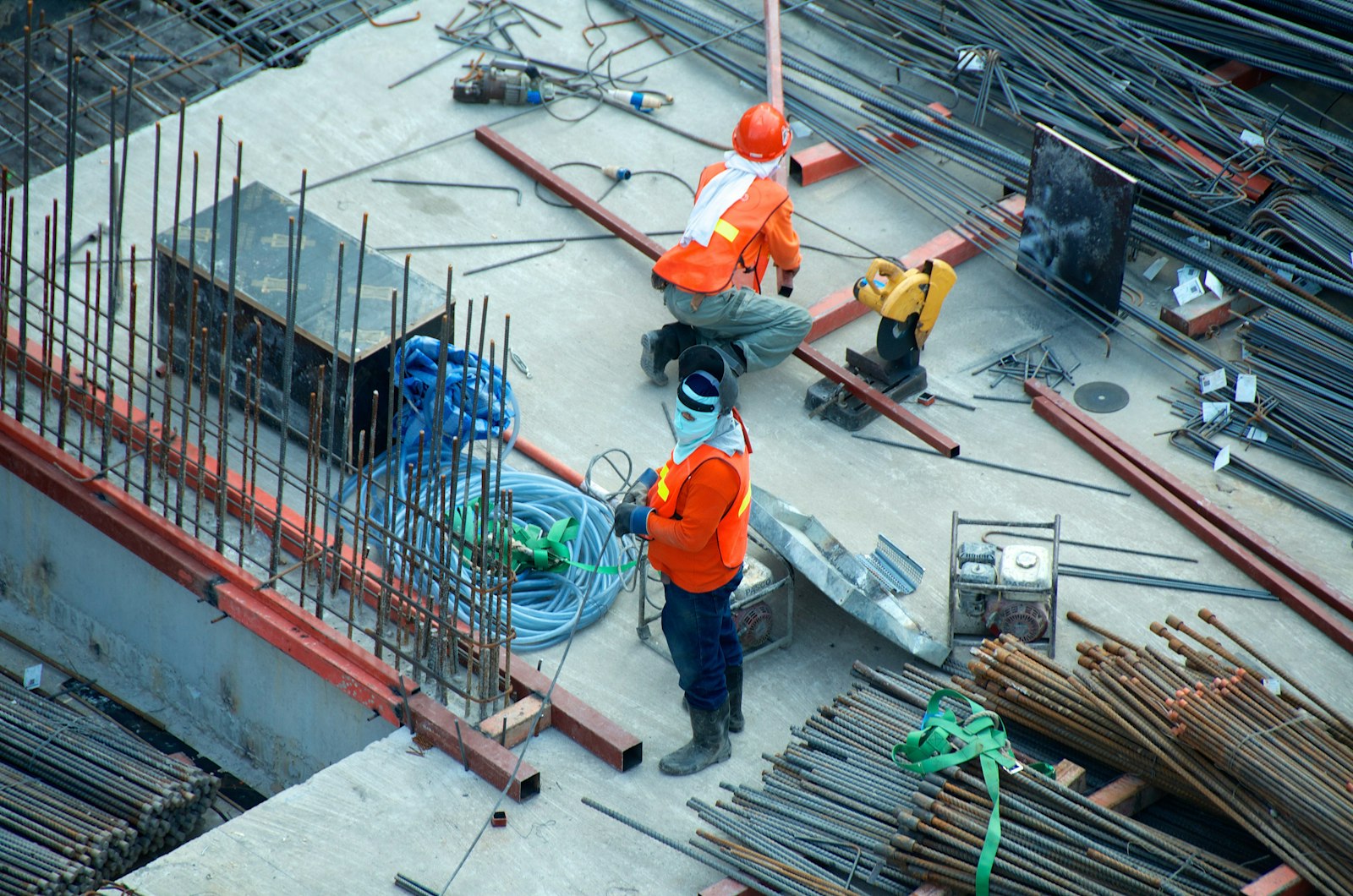
The wrong board choice can cost you thousands in replacements, repairs, and regrets. Whether you're building a kitchen cabinet, a bathroom partition, or an outdoor deck — moisture is your biggest enemy. This comprehensive guide walks you through every material option and shows you why EcoLayer Board is the smartest choice you can make for any waterproof application.
Every year, construction professionals and homeowners face the same dilemma: which board material can truly stand up to moisture, humidity, termites, and the test of time — without breaking the bank or harming the environment? The answer used to be complicated. Today, it isn't.
At EcoLayer Industries, we've engineered a board that doesn't just resist water — it laughs in the face of it. But before we show you why EcoLayer wins every comparison, let's understand what you should be looking for when choosing any construction board.

The 6 Critical Criteria for Any Waterproof Board
Before comparing materials, you need a framework. Here are the six non-negotiable factors every builder, architect, and homeowner must evaluate before choosing a board.
The Main Contenders: What's Really on the Market?
The Indian construction market offers several board materials, each with their own champions and their own dirty secrets. Here's an honest look at each one — including where they succeed and where they catastrophically fail.
MDF (Medium Density Fibreboard)

MDF is made by breaking down wood fibres and combining them with resin under heat and pressure. The result is a smooth, dense, uniform panel that's excellent for interior furniture and cabinetry — when it stays bone dry. The moment MDF encounters moisture, the story changes dramatically.
MDF swells. It expands at the edges, the face bubbles, the core crumbles. Even "moisture-resistant MDF" (green-dyed board) is resistant, not waterproof — it will still fail in genuinely wet environments like bathrooms, kitchens near sinks, or any exterior application. Additionally, standard MDF contains formaldehyde-based resins that off-gas VOCs, raising indoor air quality concerns for families.
⚠ MDF is one of the worst choices for any space with regular humidity or water exposure. Many contractors still use it — which is why so many kitchens and bathrooms deteriorate within 3–5 years.
Plywood (Plyboard)
Plywood has been the construction industry's workhorse for decades, and for good reason — it has genuine structural strength, handles screws well, and is available in a range of grades. BWP (Boiling Water Proof) grade plywood can handle significant moisture exposure and is used widely in kitchens and wet areas.
However, plywood comes with its own set of serious problems. Quality is wildly inconsistent across manufacturers — core voids, delamination, and gaps between veneer layers are common in lower-grade boards (and even some higher-grade ones). It is also vulnerable to termites unless chemically treated, and treated plywood raises its own toxicity concerns. Plywood edges also absorb water easily and must be edge-banded meticulously or they will swell and warp over time.
PVC (Polyvinyl Chloride) Board

PVC boards are 100% waterproof — that part is true. They're also termite-proof and low maintenance. So why not just use PVC everywhere? Because PVC has critical weaknesses that make it unsuitable for many structural applications.
PVC is thermally unstable — it expands and contracts significantly with temperature changes, making it unsuitable for outdoor applications or areas with temperature fluctuations. It also has poor screw retention compared to wood-based boards, meaning hardware like hinges, handles, and brackets can work loose over time. PVC boards are heavier per sheet, difficult to nail without cracking, and cannot be laminated or painted with standard wood-finish products. And from an environmental perspective, PVC is derived from chlorine-based chemicals and is neither biodegradable nor easily recyclable.
For non-structural, fully controlled interior use, PVC has its place. But as a general-purpose construction board? It falls short in too many scenarios.

Head-to-Head: EcoLayer vs. The Competition
A comprehensive performance comparison across all critical metrics.
| Property | EcoLayer Board | BWP Plywood | MR MDF | PVC Board |
|---|---|---|---|---|
| Waterproof (core) | ✓ 100% — will not swell | ~ Mostly — edge failure risk | ✗ Surface only — swells | ✓ 100% — but brittle |
| Screw / Nail Holding | ✓ Excellent | ✓ Good | ~ Fair (degrades when wet) | ✗ Poor — splits |
| Termite Resistance | ✓ Inherently termite-proof | ✗ Requires chemical treatment | ✗ Vulnerable | ✓ Termite-proof |
| Formaldehyde / VOC | ✓ Zero emissions | ~ Varies by grade/brand | ✗ High off-gassing | ~ PVC off-gases when heated |
| Weight | ✓ Lightweight | ~ Medium | ✗ Heavy | ✗ Heavy |
| Paintable / Laminatable | ✓ Excellent finish surface | ✓ Good | ✓ Excellent (when dry) | ✗ Requires special primer |
| Workability (cutting) | ✓ Standard woodworking tools | ✓ Good | ✓ Very easy | ~ Requires fine-tooth blades |
| Fire Resistance | ✓ Fire-retardant grade available | ✗ Burns readily | ✗ Burns + emits toxic fumes | ~ Melts and emits chlorine gas |
| Recyclability | ✓ 100% recyclable | ~ Partial | ✗ Difficult | ✗ Non-biodegradable |
| Outdoor Suitability | ✓ UV-stable grades available | ~ Limited with sealing | ✗ Not suitable | ✗ Warps with heat fluctuation |
| 10-Year Cost (replacement) | ✓ Lowest — no replacement | ~ Medium — possible replacement | ✗ High — likely replacement | ~ Medium — hardware issues |
| Overall Rating | ★★★★★ | ★★★☆☆ | ★★☆☆☆ | ★★★☆☆ |
The Verdict at a Glance
Based on our head-to-head analysis across 11 critical performance metrics, here's how each material stacks up for waterproof construction applications:
"The best construction board isn't the one that's cheapest to buy — it's the one that costs the least over its entire lifetime. EcoLayer Board wins that calculation every time."— EcoLayer Industries Engineering Team
Why EcoLayer Board Is in a Category of Its Own
EcoLayer Board isn't just another waterproof panel. It is a precision-engineered composite material developed specifically to address every single failure mode of traditional construction boards. Here's what sets it apart:
The EcoLayer Advantage
Eight reasons why engineers, architects, and contractors across India are switching to EcoLayer Board for every moisture-exposed application.
- 100% waterproof core — not surface treated, not moisture-resistant — genuinely waterproof at every layer
- Zero formaldehyde and zero VOC emissions — certified safe for homes, schools, and hospitals
- Inherently termite-proof and borer-proof without chemical treatment
- Lightweight yet 3× stronger than standard MDF in flexural strength
- Compatible with all standard woodworking tools — no specialized equipment needed
- Accepts all paints, laminates, veneers, and adhesives perfectly
- Fire-retardant grades available for critical building applications
- 100% recyclable — built for a circular economy and a sustainable future
Where to Use EcoLayer Board: Applications by Zone
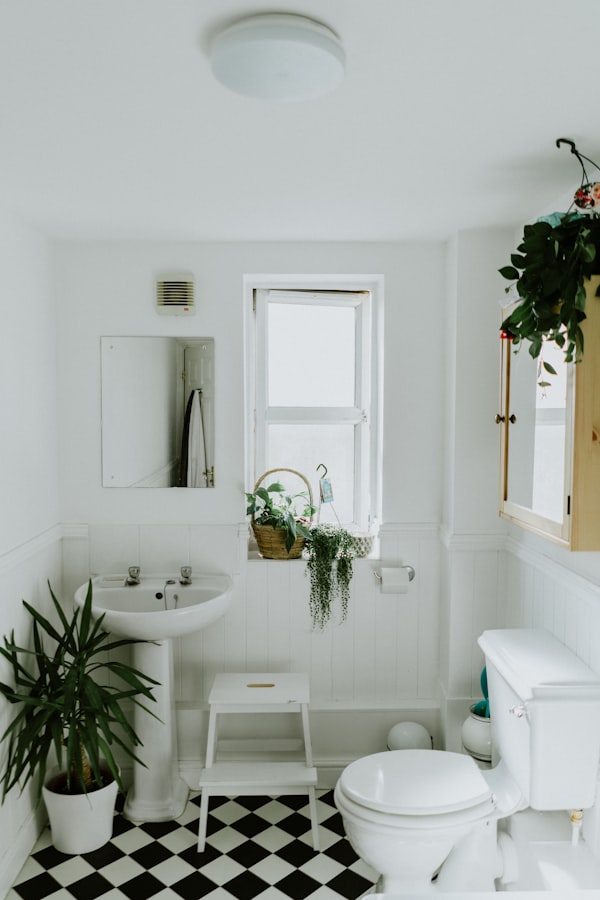
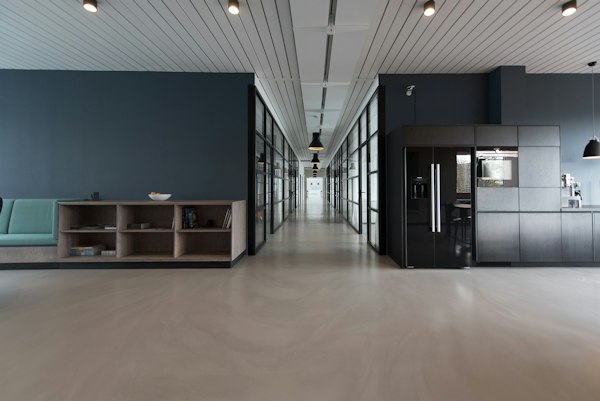
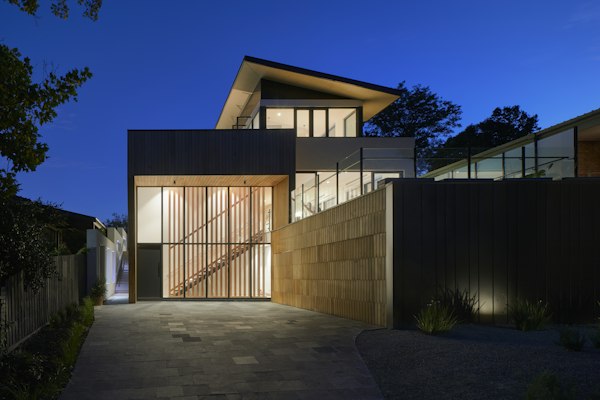
EcoLayer Board performs consistently across every zone of your home or commercial space. Here are the highest-impact applications where EcoLayer's waterproof properties directly prevent damage and reduce long-term costs.

How to Choose the Right Grade: A Step-by-Step Guide
Not all EcoLayer Board products are identical — like all construction materials, we offer specific grades engineered for specific applications. Here's how to select the right one for your project:
Assess the moisture exposure level
Classify your application: low humidity (living room furniture), medium humidity (kitchen cabinets away from sink), high humidity (bathroom vanity), or direct water contact (under-sink, outdoor). Higher exposure = thicker grade with denser core.
Determine the structural load requirement
Shelves carrying heavy loads, countertops, and flooring underlay require higher-density grades. Lightweight applications like wall paneling can use standard-density EcoLayer Board.
Check for fire rating requirements
Commercial spaces, hotels, hospitals, and educational institutions often have mandatory fire rating requirements. Specify EcoLayer FR (Fire Retardant) grade for these applications.
Choose your finish surface
EcoLayer Board accepts all standard laminates, veneers, paints, and HPL. For direct painting applications, EcoLayer's smooth surface grade eliminates the need for sanding or filling.
Consult our technical team for large projects
For projects above 500 sq. ft. or with complex engineering requirements, our technical support team will specify the exact grade, thickness, and joint detailing required for optimal performance and full warranty coverage.
The Sustainability Argument: Why Board Choice Is an Environmental Decision
In 2026, building material selection is no longer just about performance and cost — it is an environmental decision. Every ton of MDF produced generates significant formaldehyde pollution. Every PVC board that ends up in a landfill takes over 400 years to decompose. Every treated plywood board introduces toxic preservatives into your living environment.
EcoLayer Industries was founded on a single conviction: you should not have to choose between performance and sustainability. Our boards are manufactured using eco-conscious processes, contain zero harmful chemicals, and are 100% recyclable at the end of their service life. When you choose EcoLayer, you're choosing a board that performs better and does better — for your family and for the planet.
🌿 EcoLayer Board is certified under international green building standards and contributes to LEED, IGBC, and GRIHA certification points for your construction project.
Ready to Build Smarter?
Get in touch with our team for free product samples, technical datasheets, and expert guidance on the right EcoLayer grade for your specific project.
Request Free Samples Download Spec SheetFinal Word: Stop Compromising on Waterproofing
The choice of board material is one of the most consequential decisions in any construction project — and yet it's one of the most frequently under-researched. MDF looks good in a showroom but fails silently behind your kitchen cabinet doors. Plywood is better, but inconsistent quality and termite vulnerability are real risks. PVC is waterproof but limited, heavy, and environmentally problematic.
EcoLayer Board is the answer that builders, designers, and homeowners have been waiting for. It is the only board that combines genuine waterproofing, structural strength, eco-safety, workability, and long-term value — without any of the compromises that define the alternatives.
The right board is the one you'll never have to think about again. That board is EcoLayer.